Thinking about a second home in Palm Springs? You are not alone. This desert city has long attracted buyers who want sunshine, easy access from major California markets, and a lifestyle that feels relaxed without feeling disconnected. If you are wondering what daily life actually looks like, this guide will help you understand the rhythm of seasonal ownership, what changes by season, and what to consider before you buy. Let’s dive in.
Why Palm Springs Works for Second Homes
Palm Springs is especially well suited for part-time living because it combines a small-city feel with strong regional access. The City of Palm Springs notes that second homes are common here, and the permanent population of about 45,000 roughly doubles in winter.
That seasonal swing helps explain the lifestyle. During the cooler months, the city feels active, social, and event-driven. In summer, the pace slows down and ownership often shifts toward quieter stays, pool time, and property upkeep.
Travel convenience is another major reason buyers look here. Palm Springs International Airport lists nonstop service to 32 airports on 10 airlines, along with one-stop access to more than 300 global cities, which makes weekend visits and longer seasonal stays much more realistic.
What Daily Life Feels Like
Palm Springs is not just a place you visit. For many second-home owners, it becomes a place where you build a real routine. According to Visit Palm Springs, the city centers around outdoor living and a compact downtown core that is easy to enjoy on foot.
Palm Canyon Drive is the heart of that experience. It is known for vintage boutiques, interior design shops, locally owned restaurants, and outdoor dining patios. The city also describes downtown as a mix of galleries, boutiques, restaurants, nightlife, and midcentury modern architecture woven into everyday life.
That balance matters if you are buying for repeated use, not just occasional vacations. Palm Springs offers the feel of a small city with urban-scale shopping, dining, entertainment, and recreation, so you can settle into a familiar routine each time you return.
Amenities That Support Real Living
A strong second-home market usually offers more than attractions. It also needs everyday amenities that make your time there feel easy and comfortable. Palm Springs checks that box with a range of public facilities and recreation options.
The city profile highlights a municipal golf course, tennis courts, a public Olympic-size pool, a dog park, parks, and a baseball stadium. For you as an owner, that means your home can support a lifestyle that feels steady and usable across many types of stays.
Instead of planning every visit around tourism, you can enjoy the city more like a local. That is often one of the biggest differences between owning a second home and simply booking a trip.
Downtown Events Shape the Week
Part of the Palm Springs second-home lifestyle is how often something familiar is happening downtown. Weekly and recurring events make it easier to feel connected even if you only spend part of the year in town.
One of the clearest examples is VillageFest, the weekly street fair held every Thursday on Palm Canyon Drive. In summer, it runs from 7 to 10 p.m. through September, with more than 200 booths and nearby shops, restaurants, and galleries staying open late.
Another repeatable outing is Palm Springs Art Museum Free Thursday Night, offered every Thursday from 5 to 8 p.m. For second-home owners, these kinds of built-in traditions can make part-time living feel consistent and social rather than sporadic.
Outdoor Living Follows the Desert Calendar
Outdoor recreation is a huge part of Palm Springs life, but the desert sets the schedule. Visit Palm Springs highlights hiking, biking, and horseback riding, while the city notes everything from trails and bike routes to water-based recreation.
In practical terms, that often means active mornings and fuller outdoor days in fall, winter, and spring. When temperatures climb, many owners shift toward early outings, indoor activities, and more time at the pool.
Climate is a major piece of the ownership experience. The city business profile, drawing from NOAA normals at Palm Springs Regional Airport, shows January averages of 70.5°F for highs and 47.6°F for lows, while July averages 108.6°F for highs and 79.4°F for lows, with annual precipitation totaling just 4.61 inches.
Signature Outdoor Spots Nearby
Some of the area’s best-known outdoor destinations are close enough to become part of your normal routine. That can add a lot of value if you want your second home to support both relaxation and activity.
Indian Canyons and Tahquitz Canyon are two signature nearby spaces. The Indian Canyons site identifies the area as ancestral Agua Caliente Cahuilla land and notes that ranger-led interpretive hikes run from October through June, with no hikes available from July through September.
That seasonal schedule says a lot about how Palm Springs works. Cooler months open up more outdoor options, while summer usually calls for a different pace.
Another standout amenity is the Palm Springs Aerial Tramway. The tramway describes itself as the world’s largest rotating tram car, traveling more than two-and-one-half miles along Chino Canyon to Mt. San Jacinto State Park in about 10 minutes, giving you a dramatic and practical change of scenery from the valley floor.
Design and Culture Are Part of Life
Palm Springs is not only about sunshine and pools. Architecture and design are part of the city’s identity, and that shapes the second-home experience in a real way.
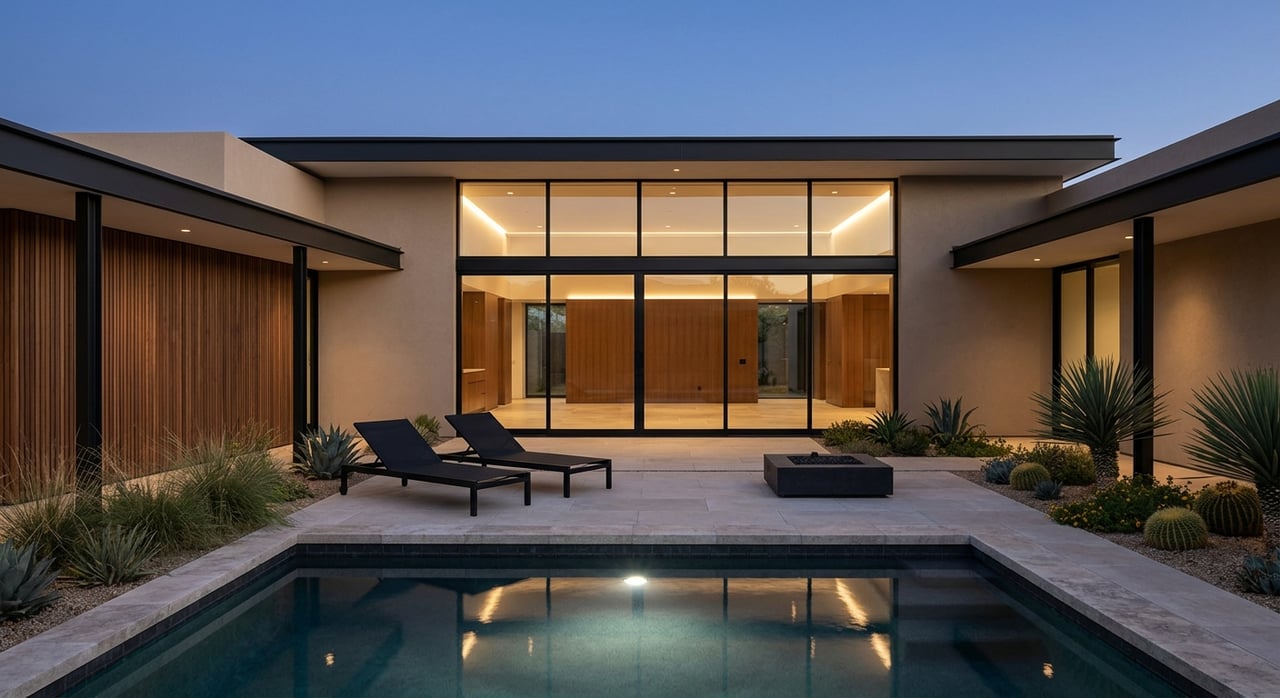
The city profile notes that midcentury modern architecture is part of the everyday backdrop. For many buyers, that design culture is part of what makes Palm Springs feel distinct from other second-home destinations.
That identity becomes even more visible during Modernism Week. The official 2026 festival runs February 12 through February 22 and features more than 400 tours, programs, and events, with an additional fall edition noted by the visitor site. If you enjoy architecture, interiors, and design-focused programming, winter and shoulder season can feel especially rewarding.
Understanding the Seasonal Rhythm
One of the smartest ways to think about Palm Springs second-home ownership is as a calendar. The city does not feel the same in every month, and that is part of the appeal.
According to Visit Palm Springs, peak season runs from October through May. The same planning guidance treats July through September as the slow season, when hotel and vacation-rental availability improves.
For you, that usually means cooler months bring more energy, fuller streets, and more built-in activity. Summer often feels quieter and more heat-driven, which can work well if you want a more private pace or plan to focus on low-key stays.
If You Plan to Rent Part-Time
Some second-home buyers also want the option to rent the property during part of the year. If that is part of your strategy, it is important to understand Palm Springs rules before you buy.
The City of Palm Springs vacation rental program states that vacation rentals and homesharing require certificates and operational compliance. The city also says advertising or renting cannot begin before written authorization, monthly transient occupancy tax returns are required, and city rules govern properties within city limits rather than a Riverside County permit.
That means the lifestyle and the ownership plan need to align. If part-time rental income matters to you, it is worth evaluating that early so your property choice fits both your goals and the city’s requirements.
What This Means for Buyers
Palm Springs works best as a second-home market for buyers who understand its rhythm. The climate, winter population surge, downtown programming, and seasonal recreation all point to the same pattern: cooler months are more active, and summer is slower.
That does not make one season better than another. It simply means your ideal property should match how you want to use it. You may want easy airport access, a lock-and-leave setup, strong outdoor space, proximity to downtown, or features that make summer stays more comfortable.
A smart purchase starts with clarity about your lifestyle, not just the listing photos. When you understand how Palm Springs actually lives through the year, you can buy with more confidence and fewer surprises.
If you are exploring a second home in Palm Springs or the surrounding desert cities, working with a team that understands lifestyle goals, local inventory, and the details that affect ownership can make the process much smoother. Connect with Alejandro Perez Munoz to find a property that fits how you plan to live, use, and enjoy the desert.
FAQs
What makes Palm Springs appealing for a second home?
- Palm Springs offers strong regional access, a walkable downtown, outdoor recreation, recurring events, and a seasonal lifestyle that works well for weekend use, winter stays, and longer part-time ownership.
What is the busiest season for second-home living in Palm Springs?
- According to Visit Palm Springs, peak season generally runs from October through May, when temperatures are milder and the city has more activity, events, and social energy.
What is summer like for second-home owners in Palm Springs?
- Summer is typically quieter and much hotter, with July average highs listed at 108.6°F, so many owners focus on pool time, early-morning outings, indoor activities, and maintenance-oriented visits.
What are some regular activities second-home owners can enjoy in Palm Springs?
- Many owners enjoy Palm Canyon Drive, VillageFest on Thursdays, Palm Springs Art Museum Free Thursday Night, golf, tennis, hiking, biking, and trips on the Palm Springs Aerial Tramway.
What should buyers know about renting out a second home in Palm Springs?
- Buyers should know that vacation rentals and homesharing require city certificates and compliance, and the city says you cannot advertise or rent the property before written authorization is issued.
How does airport access support the Palm Springs second-home lifestyle?
- Palm Springs International Airport offers nonstop service to 32 airports on 10 airlines, plus one-stop access to more than 300 global cities, which can make part-time ownership more convenient.